Thursday, October 19, 2017

Wisconsin Trapping Season 2017-2018

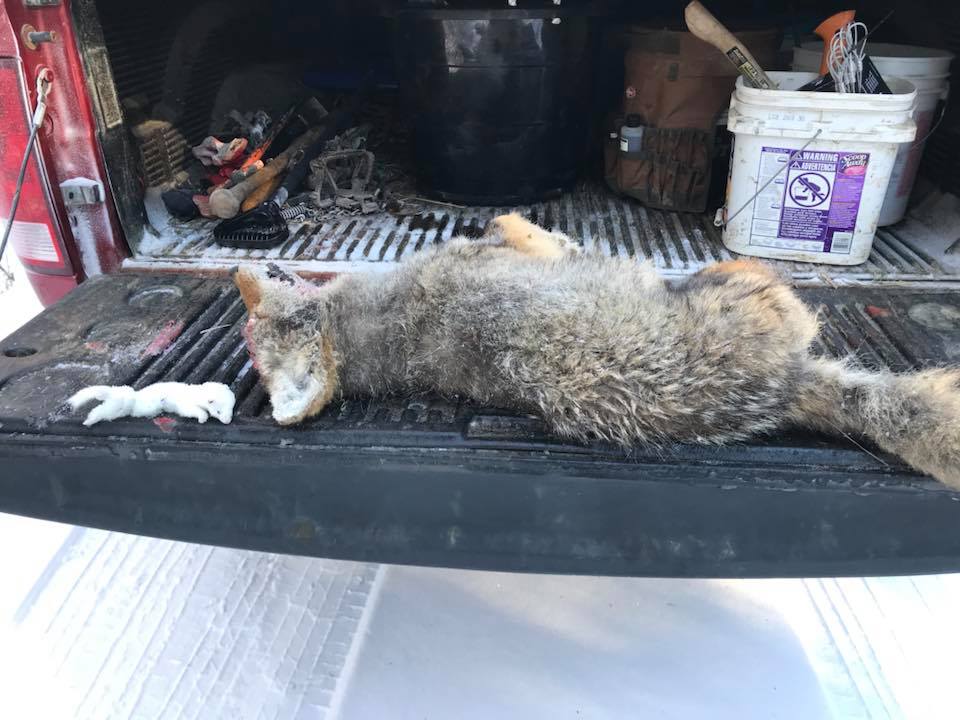
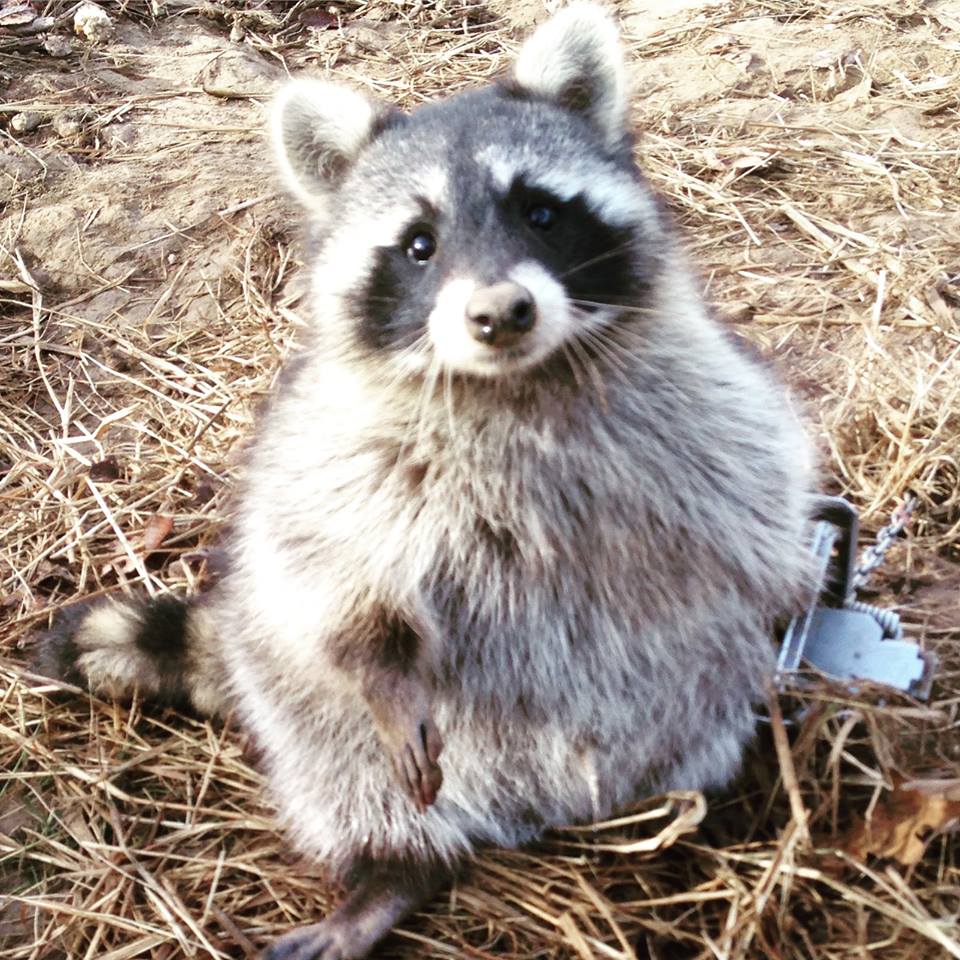
A photo series of the critters I'm catching this season.  Updated as I catch them...

I do have a bobcat harvest tag this season, however I've waited 6 years for it, so I released this young tom because I caught him on the very first night, and my season is 2.5 months long.  I really hope I don't regret it later if I'm sitting on an unfilled tag, but either way, releasing a young cat is always a best practice.  Caught on a Bridger 2 dogless on a saber drag, using JUST MICE predator bait from Southern Snares and Supply.


The Licking Stick


Thursday, September 7, 2017

You've Trapped Fur, Now What?


As a new trapper, you are probably very excited to catch many different furbearers in your area and contribute to the conservation and well-being of the ecosystem in your woods.  But many non-trappers, such as bowhunters, upland bird hunters, etc., have no idea on what to do with their pelts after they have trapped an animal.  You can look back in the archives for other articles on fur handling, skinning, stretching, etc.  This post will explain to you the different avenues you can take for "getting rid" of your furs.

Let's begin by reminding ourselves the different terms used for fur so we are all on the same page:
  • Carcass fur:  refers to the whole animal frozen unskinned.
  • Green fur: refers to the pelt after it's been skinned off the animal/carcass.
  • Raw fur: refers to the process after you take green fur and flesh, stretch, and dry it out.
  • Tanned fur: refers to a raw pelt that has been sent to tannery & completed the tanning process.


Now let's look at your options on what to do with your fur:

  • Keep it!:  You always have the option to keep your pelts.  I personally keep my "firsts" of every furbearer that I have trapped.  If I don't choose to mount the animal full body, then I will have the pelt tanned to hang on the wall.  If you choose to keep your pelts for personal use, you MUST get them tanned, whether you do it at home or send to a professional tannery.  Untanned furs will not last over time and are prone to shedding, bugs, stink, etc.
  • Local Fur Buyers:  If you choose to sell your fur to a local buyer, you will need to look ahead of time at their pick-up schedule and when they will be in your area.  Sometimes during years where the price of fur is on the decline, buyers will schedule one or two pickups only throughout the season to save on fuel costs, therefore if you miss their pickup days, you may be out of luck for this option before you know it.  Several of the most well-known buyers are Groenewold Fur Company, NAFA, Windy Ridge, Moscow Hide and Fur, and many more.  You need to know going into a fur buyer that they will need to see your furs up close for inspection, and that you will be paid according to their own opinions.  You will also lose a bit of money because a fur buyer is considered a "middle man" in the world of fur.
  • Sending to Auction:  The best "bang for your buck" is to ship your raw fur directly to a big auction house.  The biggest are NAFA and Fur Harvesters.  These two auction houses hold events for fur buyers from all over the world.  Fur garment makers from France, Italy, etc., send buyers to the auctions to buy the best of the best furs that you may have trapped right in your backyard.  These furs are then made into the luxurious coats and hats that you see celebrities wearing or models on the runway-how cool is that!
  • Tanning/Internet Sales:  If you are a real go-getter and have the money up front, and enjoy figuring out profits, then you can choose the option of handling your own furs and selling them to others like you.  You can send your raw fur into a professional tannery, then when you get them back 4-6 months later, you can list them online to sell at a profit.  You will need to assess what you think the pelt is worth raw, then how much you have into tanning, then come up with a price that you think is fair but you also make money on.  Tanned pelts sell well on Facebook sales groups, Craigslist, Ebay, among others.  These are also a favorite at local flea markets and farmer's markets, and people enjoying hanging them on their fireplaces, in cabins, or sending them in to be made into hats.

Monday, July 24, 2017

Wolf Reactions to New Lures

I put out several new lures from the Southern Snares and Supply line this week and was able to get dozens of videos from these two males from last year's litter.  One is collared as part of the monitoring that the Wisconsin DNR conducts on our wolf numbers.  

EDIT: The DNR asked me to add in this blog that I did NOT put these lures out FOR wolves, but rather I had them out for my bear tag, which is legal, however I was not expecting the wolves to come in.  After the wolves came in, I did not place more lure, per WI law.

What I find so very interesting is the territorial response; the rolling, urinating, rubbing, backscratching, etc.  These wolves stayed in this one spot for OVER 10 MINUTES!! If there were an open trapping season, I would have caught both these wolves at this set.  Also study the paw placement for future trapping.  

Watch more videos on my public Facebook page: https://www.facebook.com/media/set/?set=a.10155362679062881&type=1&l=0a5d075ba6


Thursday, February 2, 2017

My First Wisconsin Otter!

I've had to wait 3 years to finally draw a Central Zone Otter harvest tag here in Wisconsin.  I started setting on Nov. 10th, a few days after the season opened.  I had quite a few beaver plug up my sets, and started to get discouraged, but last night I was finally able to connect on this 26 pounds, 46 inch big male! I'm getting him mounted because it's the hardest I've ever worked to catch one specific animal.


Monday, November 28, 2016

Trapping Season 2016-2017

It has been a pretty slow season for me here in Wisconsin, as I just had a baby two months ago, and started my trapping season just two weeks later.  So having a little one made trapping a bit more difficult but I did manage to get some sets out, 12 in total, and as usual, only targeting coyotes.

Here are some of the highlights of my season thus far and I'll keep adding more as the season progresses:


Caught my first beaver in an otter set!

I also had an unusual number of nuisance skunk calls this late in the season; I think the warm weather kept the skunks more active than on a usual year when they would already be hibernating.
I dispatch skunks using the recommended method by the American Veterinary Association: 12 cc of Acetone injected into the heart with a surgical syringe.  Due to the fine sharpness of the syringe, the skunk cannot feel the injection, and when the acetone is pushed into the heart, the skunk's heart immediately stops.  The skunk feels no pain, proven by it never spraying, and it allows me to also harvest the essence from the glands.


Male Red Fox caught in a Bridger 2 dogless on a drag.


"Smiley :)"

If you've been following my blog from last season, you might remember that I caught and released 5 bobcats.  So far this season, I've only caught and released this one, a huge male.  The population is still VERY high but I haven't been catching them because I am purposely avoiding trapping anywhere that I have found bobcat sign.  It dramatically reduces the areas where I can coyote trap, but catching and releasing bobcats is very time consuming and a waste of your time since you cannot harvest the fur.

Caught in a Bridger 2 Dogless on a drag, released unharmed.  I use very expensive traps that come with modifications such as offset jaws and laminations, shock springs, and extra swivels so that I can ensure that the welfare of the animal is never compromised, that blood circulation is never cut off, and that there is no paw damage whatsoever.


Here is the highlight of my season thus far: I caught a 150 pound black bear.  Usually, bears are hibernating this time of year, but due to the strange warm weather we have had (70 degrees in November), bears are still out and about.  I caught this little male in a coyote set, Bridger 2 dogless on a drag.  Of course he was released unharmed due to Wisconsin not having a bear trapping season but also because he is little.  There is no paw damage whatsoever due to my choice to use traps that I can put my own hand in.  Bridger 2 dogless traps come with laminations and offset jaws so circulation is never compromised, the shock springs ensure that he cannot "yank" and hurt himself, the laminations and offset jaws ensure that the trap never cuts into his fur or toes.  Upon opening the trap, the bear ran off unharmed.


Released this female badger unharmed because Wisconsin doesn't allow trapping them since it's the state animal.  Caught in a Bridger 2 dogless coyote set on Southern Snares and Supply's CAPITAL PUNISHMENT predator bait and BOBCAT JELLY URINE.