This
article will be based off the Wisconsin DNR regulation site as well as my
personal experience and knowledge as it relates to Zone C, Class A, bait sitting
only.
The
fall season for black bear hunting in Wisconsin this year runs from September 3rd-October
7th. As always, the deadline
for getting your application in for the following season is December 10th. The baiting season begins on April 15th
and patrons carrying a Class A license may begin feeding bears until the
hunting season opens. A resident license
is around $50, and most hunters in Zone C obtain a kill permit after 4-5 years
of applying for preference points, though some of the northern counties require
8-9 years to obtain a kill tag.
There is a 10 gallon total limit for bait at a
time, which includes mineral and liquid scents.
Baits must be placed 50 yards from a public trail or gravel road, and
100 yards from any highway or interstate system. The two most common mistakes first-time
baiters make are:
1)
No man-made materials are allowed at the bait station. The bait must be inaccessible to deer, and
totally enclosed within naturally occurring materials. A hollow log half buried into the earth with
a heavy rock on top is the most effective and common wait to prepare a
bait. Digging a deep hole and covering
it with heavy logs is another method. Hollowing
out a stump would be a great option as coon would not be able to dig
underneath. No man-made materials means
that you cannot use plywood nailed to the bottom of a log, and no tires, buckets, barrels, etc.
2)
No animal parts or by-product may be used for bait. In most states and Canada, the most popular
bear bait is meat. Hunters are very
successful in using beaver and roadkill, creating a great renewable resource
for the environment. However, in
Wisconsin, it is illegal to use any animal meat, fish, and even by-product, so
that includes honey. Fryer grease
however, as long as there are no solid animal fat chunks contained in it (so french
fry grease but not fish), is legal but is still considered in the 10 gallon
limit.
 |
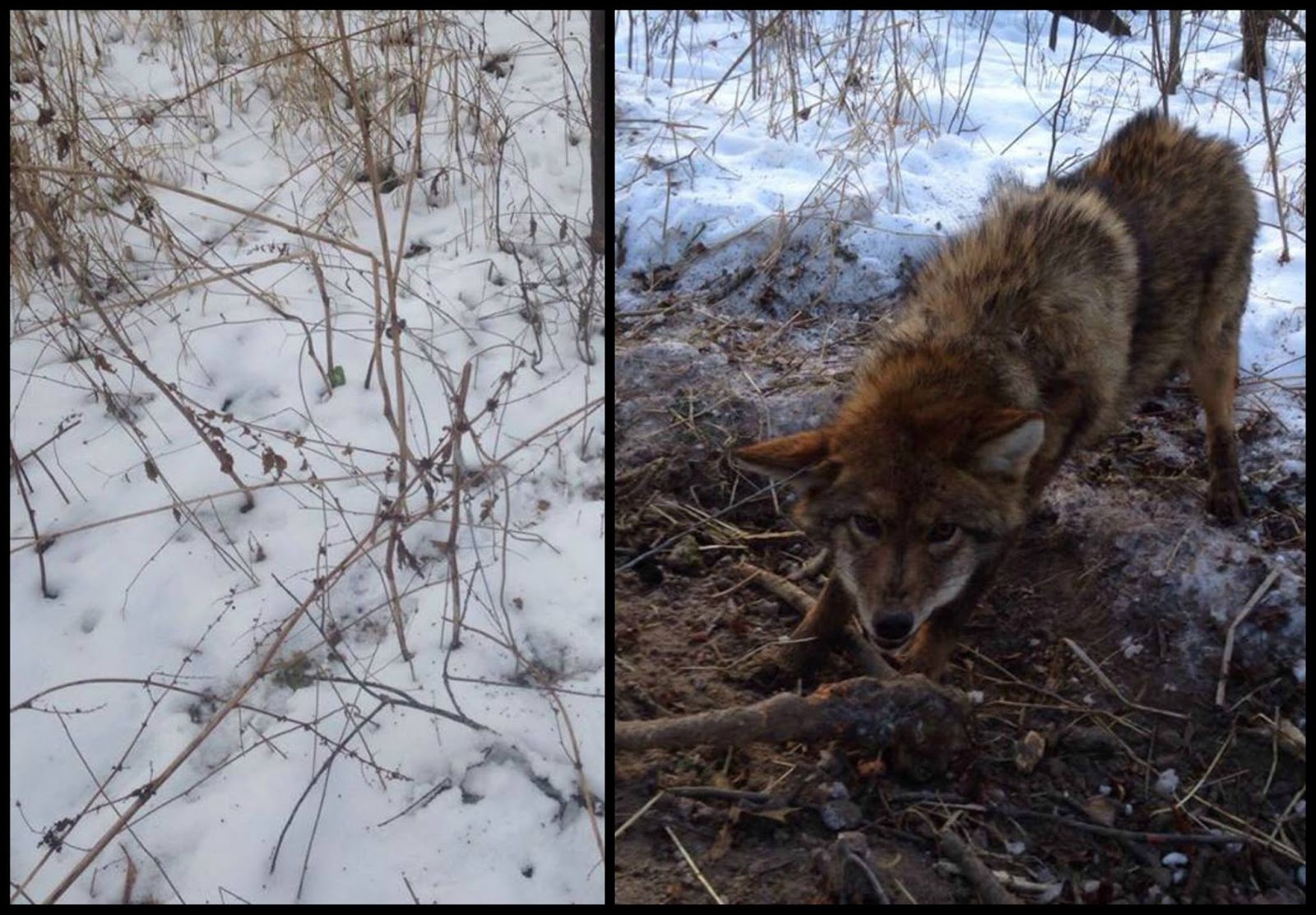
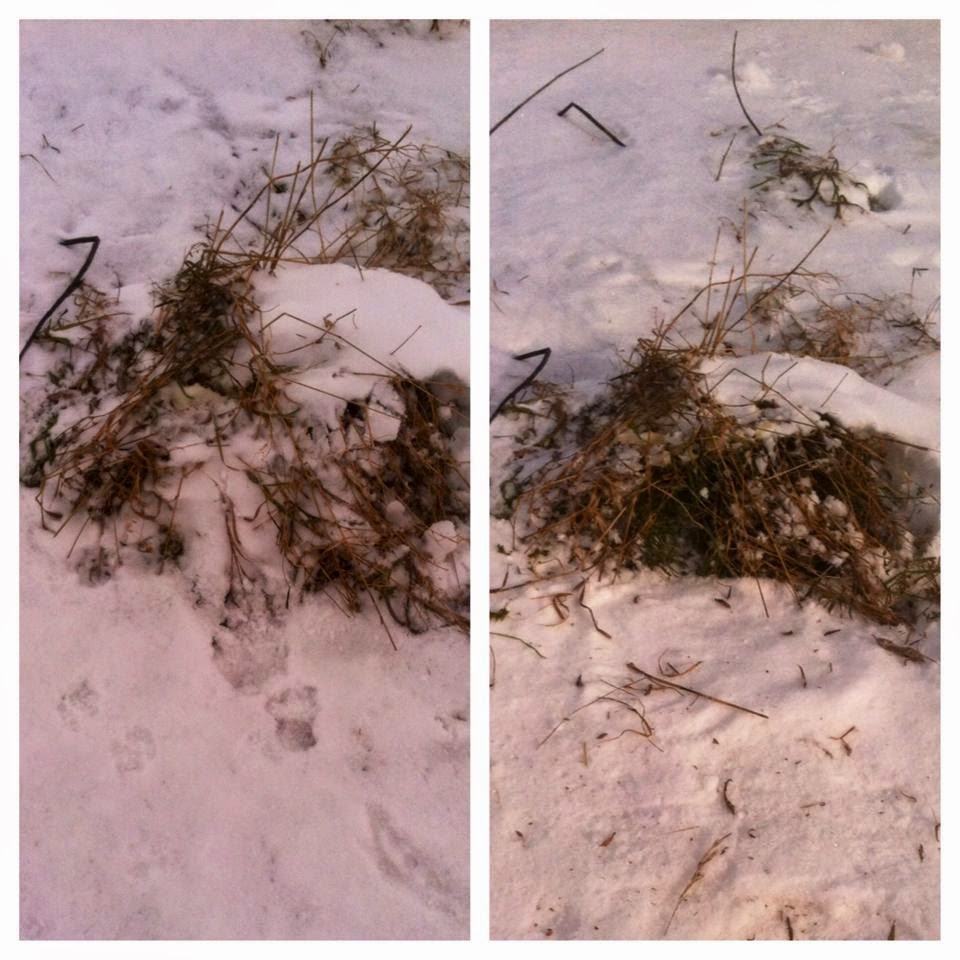
| My setup. Hollow log buried into sand pit, large rocks on top to keep coon and small bears out. |
Types of Bait to Use
For
most baiters, unless you go with a guide service or have access to create your
own bait, it would be suggested that you contact a local bait seller and
purchase a couple 55 gallon drums for your baiting season. Most sellers price 55 gallons anywhere from
$50-$80 depending on the type of goodies.
Some common staples in the baiting game are sugar cones, cereal, pie
filling, cookies, candies, chocolate, trail mix, granola, and cookie dough. These are some of the cheapest ingredients,
though pricier products include corn, molasses, liquid smoke, and confectioner’s
frosting.
A
lot of people ask about what they should use for bait. Is it too sweet? It is not sweet enough? Will they like this, will they like that? My answer is simple, bears have two main
thoughts. In the spring, mating is
number one. But after the mating season
stops in July, bears care about nothing more than fattening up for the upcoming
hibernation. Bears have been known to
raid bird feeders, dumpsters, and grain bins.
Like humans, bears have varying tastes, and Bear A may gorge on the
trail mix while Bear B might ignore the mix and go straight for the donuts. That’s just how it is and part of the
game. If you have a big bruin that seems
to return night after night for those jelly donuts, it would behoove you to
continue filling that station with those jelly donuts and make him happy. I don’t really believe that bears “get sick
of” any particular bait, but when for no particular reason, a bear decides to
wander off from the station for a few weeks, baiters assume it was because they
got sick of the bait, when it reality, they just chose to move on.
 |
| This big boy was not leaving anytime soon. The sticks placed in front of him were to try and manipulate the bears to feed on this side of the bait, so I could have a clear open shot from my stand that is behind this camera. |
Baiting Tips/Tricks
Tree
Tootsie Pop:
When
I first put bait at my property, I was having 16 different bears hitting the
one bait. I noticed on trail camera
pictures that some of the shooter bears were coming into the bait after it had
been cleaned out by a previous bear, and then hitting the road, not sticking
around since the site was emptied and of no use to them. So I went to Sam’s Club and bought the
biggest container of cake frosting and peanut butter and returned. I took a brand new paint brush and simply
smeared the peanut butter and cake frosting all over the trees and stumps
around my bait site. Keep in mind that
this counts towards your 10 gallon limit, and also, DO NOT put it on any trees
that you wouldn’t want damaged, like oaks or apple trees. I found that the peanut butter oil seeps into
the bark and stays through rain for months afterwards. Coon and bear will lick, claw, and chew these
spots on the trees, sometimes killing the tree in the process. This solved my “emptied bait” dilemma. Bears were still coming in after the bait was
emptied, and though they didn’t have much to eat on, they had a “tree tootsie
pop” and scent, which is enough to keep them returning the next night.

Poor
Man’s Popcorn Ball:
While
at Sam’s Club, I also bought a movie theater sized bag of popcorn kernels and a
big bucket of Kool-Aid mix. I popped the
kernels, creating a massive amount of popcorn.
Go buy a couple 5 gallon buckets.
Fill the buckets up with the popped popcorn. Sprinkle Kool-Aid mix over the bucket. I then created a quick confectioner’s syrup
on the stovetop by stirring in white sugar with boiling water. Pour the syrup over the Kool-Aid covered
popcorn and let cool. You have now created
a 5 gallon bucket popcorn ball to take into the woods with you for your next
re-bait. This is a great way to stay
with the exact 10 gallon limit of baiting, and the sweetness mixed with the
airy kernels will keep the bears coming back for more.
Grease
trail:
My
cousin showed me this trick and the results were awesome. Throw grease all over the bait site. The grease soaks into every leaf, tree, stump
and log in the area. When you enter the
woods, the smell of grease is lingering throughout the canopy. Bears that visit the bait site will have
greased soaked into their pads and the thick fur on their legs and feet. Upon leaving the bait/area and tracking
grease all over the woods, they are creating a “Hansel and Gretel bread crumb
trail” for other nomad bears to follow.
This allows you to have a variety of bears frequenting your site so you
have the opportunity to choose your trophy. Be sure that in Wisconsin, your grease does not contain any animal by-product.
Banging
bucket theory:
Old
timers and experienced guides swear by this trick. Bears aren't stupid; they understand that the
bait site is not a naturally occurring phenomenon, and that humans are the
reason for the smorgasbord in the middle of the woods. After filling the bait station, bang hard on
the bucket a few times. Chances are, the
bears that are frequent flyers are bedded within earshot and it will create a “Pavlov’s
Dog” type of effect. The bears will
associate human activity on the bait site with food, and if they hear you enter
the woods during open hunting hours, they will relate it to food instead of
fear.
Choosing
a Bait Site
The
great thing about bear baiting is that you can pretty much choose the tree that
YOU want to sit in, and place your bait accordingly. There are, however, a couple keys points to
remember when choosing your site. Water
access is vital. Whether it is a river,
lake, swamp, or a small creek, bears follow waterways, keep cover in the cool
temperatures during the day, and drink a lot of water throughout the day. Thick cover makes feeding bears feel more
secure, but still bears can be coaxed to feed in an open grass feed if they’re
hungry enough.
 |
| Big guy feeding in the open grass field in broad daylight. |
Once
your baiting commences, and you start getting different bears, it’s a great
idea to place a trail camera over your site to range what bears are frequenting
and when. If a sow with cubs comes into
your bait site, it’s best to stop baiting all together and abandon the
site. A sow’s purpose is simple, to
raise the cubs. If she finds a food
source that is replenished daily, she won’t leave. Being protective, she will run off any other
bear, even a massive boar, just to keep those cubs on that bait site. Last year, I had a sow with 4 cubs take over
my site at the end of May, and stayed until late July, so I abandoned the site
and went elsewhere. Once the sow took to
the bait site, there were no other bears pictured on the camera except her and
the youngins, though they did take some cute photos.

Scent control is a huge factor in your hunt, however, I have a theory that if you keep your bait station smelling human throughout the summer, that it would not have an impact on the bears during the month of hunting. I would recommend wearing tennis shoes, jeans, and whatever you wore to work that day when you hike out into the woods to re-bait. The frequent bears will recognize that the human scent is related to food and will hopefully lower their fear factor when the season opens. During your hunt though, still take a scent-free shower and wear camo that as little scent as possible. But if a bear winds some of your human scent, but you used this method throughout the baiting season, chances are the presence of human scent won’t alarm it enough to take off. Remember though that bears have very poor eyesight, but 10x the nose power than that of a whitetail deer. Because of their awful eyesight, they overcompensate by being able to smell incredibly well.
One thing that I learned during my bear baiting season was that it’s not too important to begin baiting right when the season opens in April. I spent a lot of money and time stocking my baits and having family members keep my baits full at all time throughout the summer. The bait site that I eventually ended up shooting a bear was a site that was created less than 2 weeks prior. After the sow took over my best site, we had no choice but to put out a desperation bait site on the edge of public land along a riverway. It produced many different bears, and was the site of my harvest for that season. But remember that even if you make the perfect setup a baiting season, once the berries ripen and the acorns fall, all the sweets in the world won't bring a bear to your bait. Be patient and persistent, and hope that after a couple weeks the bears will be done gorging themselves on acorns and might come back to your baits, hopefully with a few days left in the hunting season.